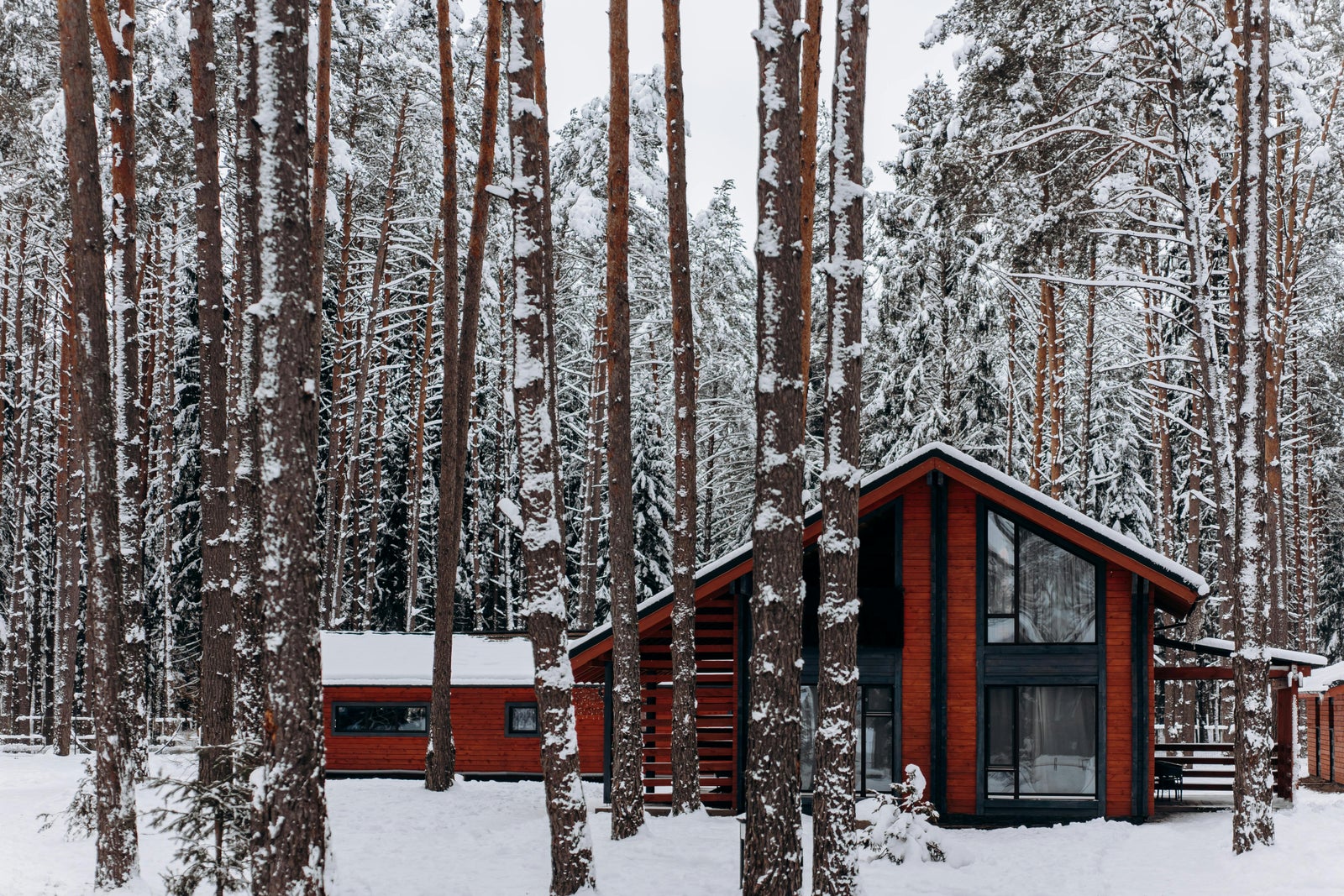
Winter isn’t the first thing that comes to mind when looking at waterfront properties, but the truth is that real estate is done year-round. There are usually waterfront properties for sale during all seasons, especially those that are still on the market from being listed during the warmer summer months.
Buying a waterfront home in the winter has its own unique set of challenges. Here are some tips to keep in mind when you’re house hunting:
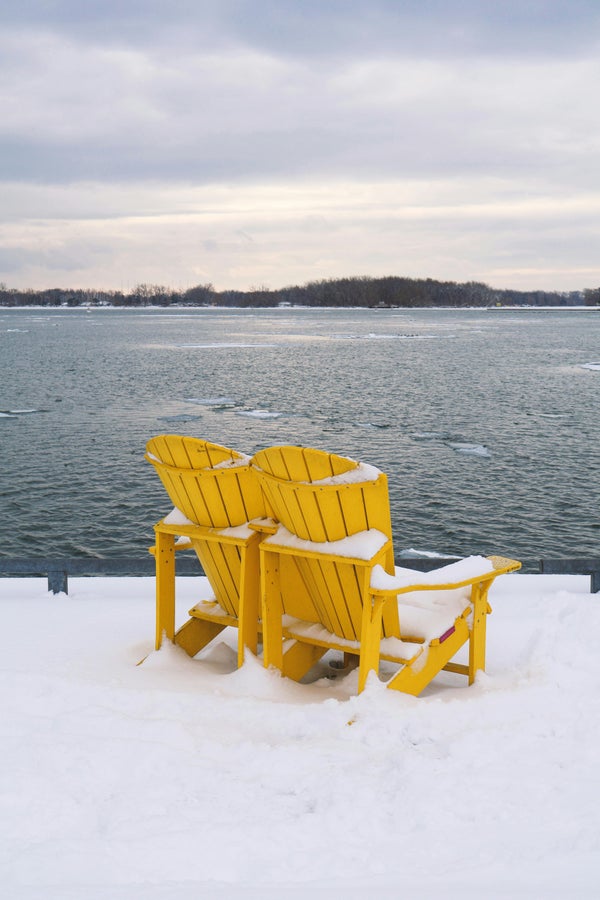 Know What Kind of Waterfront You Want
While this is technically a tip that applies all year, it’s important to narrow down your cottage search to areas that interest you. This will vary depending on your needs–do you want to be doing a lot of fishing or boating at the property, or would you prefer to sit on the dock by the lake?
The kind of waterfront property you’re looking for will help you define what kind of shore, water, and location you want to buy in.
Examine the Shoreline
Looking at the property’s shoreline is more difficult in winter. The water may be frozen over, which can make it impossible to see the depth of the lake and the type of bottom it has. The selling agent should have all the information regarding what type of shoreline it is and how deep it goes.
You can also ask for photos of the property taken during the summer, especially those that show the shoreline at peak water levels. This interactive water levels map can also help you determine if there’s any cause for concern.
Take a Look at the Exterior
While it’s important to examine a cottage’s exterior no matter the time of year, winter is the toughest season and a good way to see how the cottage and its structures are holding up.
Decks, docks, stairs, and retaining walls are all things that should be looked at. Look for shifting, cracking, or warping caused by freeze-thaw cycles. If a dock is removed seasonally, ask where it’s stored and how it’s reinstalled each year.

Check Accessibility
If you plan to live in the property year-round, you’ll want to make sure it’s accessible in the winter. Thankfully, looking for a cottage in the winter makes that easier!
Roads: Road access is one of the most important things to check during the winter season. Are the roads maintained municipally or privately? When going to a showing, take a look at how easily you can access the property. Coming and going from your cottage will not only affect daily life, but access for emergency services.
Parking: Does the property have a garage? Is there suitable winter parking for your vehicles? Is this parking close to the entrance of the home? Ample, level parking near the cottage makes unloading groceries, firewood, and gear much easier when snowbanks are high.
Location: Are you planning to do winter activities during the colder months? You’ll want to ensure the location is suitable to your needs. If you want to use your snowmobile, check to see if there are accessible trails; if you like ice fishing, make sure that the lakes have ice huts and are safe to walk on during the winter.
Walkways & entry points: What do the entry points look like during the winter? Covered entries with minimal steps and handrails add safety and convenience, especially when surfaces are icy.
Closely Check Heating & Insulation
If you want to live in the property year-round, checking the heating systems and insulation is crucial. Is the furnace in good working order and well maintained? If there’s a wood burning stove or fireplace, are they WETT certified?
Looking at the property during the winter months gives you an advantage with checking insulation. If you stand near the doors and windows, is there cold air that’s entering the property? Excessive condensation on windows or ice buildup along roof edges can also signal insulation gaps or heat loss, so keep your eyes peeled during showings.

Include Special Clauses
In your agreement of purchase and sale, you’re able to specify certain clauses in order to protect yourself in case anything goes wrong. Buying a waterfront property in the winter means you won’t be able to see everything, so speak to your agent about what clauses you may want to include in your offer.
This could include a clause warranting that all the stairs, decks, roof, foundation, and roof are in good condition (since you may not be able to see them under snow), that the septic is in good working order, the right to conduct a follow-up inspection in warmer weather (depending on your closing date), etc.
Dress Warmly for Showings
Many waterfront properties are used as cottages during the summer months, meaning that it’s likely no one will be occupying the home in the winter. Both the temperature outside and inside the home may be low, so dress appropriately for viewings.
Buying a cottage during the winter months may seem like a daunting task, but with the right information and agent on your side, you can make an informed decision that will protect your home and investment.
